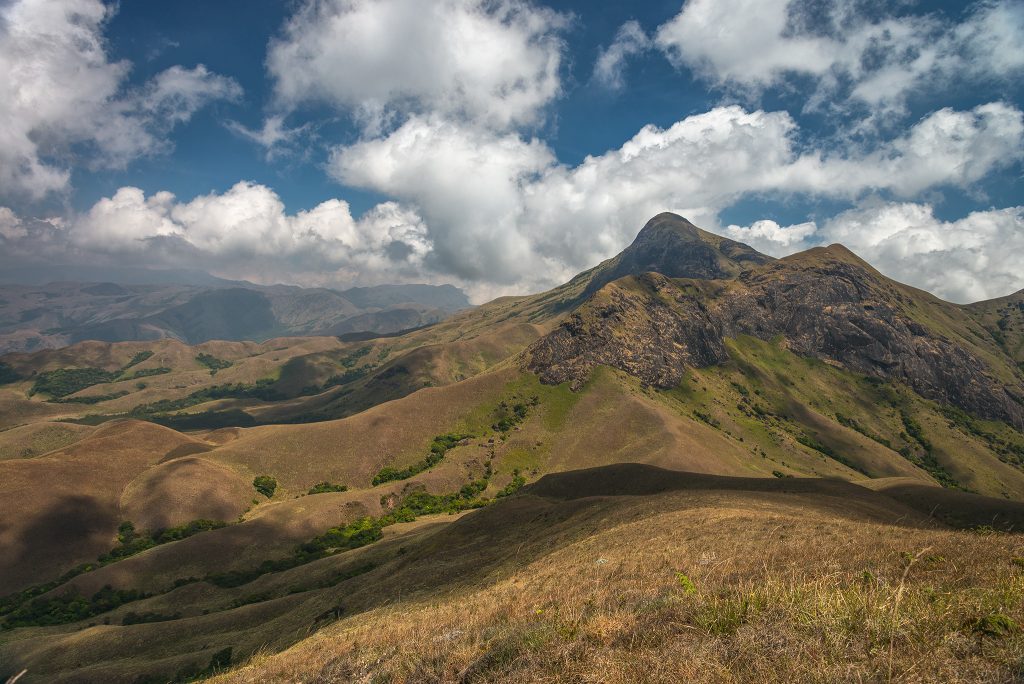
Peninsular India, encompassing the Western and Eastern Ghats, the Deccan Plateau, coastal ecosystems, and associated island systems, represents one of the richest repositories of plant genetic diversity in the tropics. Among these, the Western Ghats—recognized as a UNESCO World Heritage Site and one of the world’s biodiversity hotspots—stretch over 1,600 km across Maharashtra, Goa, Karnataka, Kerala, Tamil Nadu, and Gujarat, and harbor more than 8,500 species of vascular plants, with nearly 26% endemism. When viewed collectively, Peninsular India forms a vast genetic reservoir of cultivated crops, wild relatives, landraces, medicinal plants, forest species, and underutilized taxa that are invaluable for sustainable development.
The plant genetic resources (PGRs) of this region include wild relatives and traditional varieties of major crops such as rice (Oryza spp.), jackfruit (Artocarpus heterophyllus), banana (Musa spp.), black pepper (Piper nigrum), cardamom (Elettaria cardamomum), turmeric (Curcuma longa), coconut (Cocos nucifera), millets, pulses, oilseeds, spices, tuber crops like yams (Dioscorea spp.), and numerous medicinal and aromatic plants. These resources possess traits such as drought tolerance, pest and disease resistance, enhanced nutritional quality, and climate adaptability, making them critical for food and nutritional security, climate-resilient agriculture, and emerging bioeconomy sectors.
Peninsular India is also one of the major repositories of medicinal and nutraceutical plant diversity, supporting thousands of higher plant species, a significant proportion of which are threatened. The region sustains the livelihoods of millions of people, including indigenous communities such as the Todas, Kani, Soliga, Irula, and Kurumba, who conserve and utilize traditional landraces and possess rich ethnobotanical knowledge. Traditional agroecosystems across the Deccan and Ghats landscapes have historically maintained dynamic in situ conservation of crop diversity adapted to diverse agroclimatic niches.
However, these invaluable resources face mounting pressures. Habitat fragmentation, deforestation, invasive alien species (e.g., Lantana camara), climate change–induced range shifts, over-exploitation, monocropping, and erosion of traditional knowledge systems threaten the long-term survival of PGR diversity. Climate projections indicate substantial reductions in suitable habitats for several endemic and economically important species by mid-century. At the same time, socioeconomic transformations and urbanization are accelerating the loss of traditional conservation practices.
Global frameworks such as the Convention on Biological Diversity (CBD) and FAO’s Global Plan of Action for PGR underline the urgency of integrated conservation and sustainable utilization. National mechanisms including the Biological Diversity Act (2002), the National Biodiversity Action Plan, and the Protection of Plant Varieties and Farmers’ Rights Act (PPV&FRA) provide institutional support, yet require stronger regional integration, participatory approaches, and effective implementation across Peninsular landscapes.
Meanwhile, global markets for nutraceuticals, plant-based therapeutics, climate-resilient crops, and natural bioresources are expanding rapidly. Peninsular India, with its unique genetic wealth and traditional knowledge systems, is strategically positioned to contribute to these sectors—provided conservation and sustainable utilization are scientifically integrated with genomics, value addition, entrepreneurship, and equitable benefit-sharing mechanisms.
Despite immense potential, gaps remain in systematic exploration, genetic characterization, digitization of germplasm data, genomic interventions, community-inclusive conservation models, and policy harmonization. A dedicated symposium will provide a dynamic platform to bridge these gaps by bringing together scientists, policymakers, industry stakeholders, indigenous representatives, students, and civil society organizations.
The proposed symposium aims to consolidate knowledge, promote collaborative networks, and develop a strategic roadmap to transform the rich biodiversity landscapes of Peninsular India from mere biodiversity hotspots into resilient, innovation-driven, and community-centric sustainable bioresource hubs. In doing so, it will contribute meaningfully to India’s commitments toward the Sustainable Development Goals (SDGs 2, 13, and 15), biodiversity conservation targets, and climate adaptation strategies.